
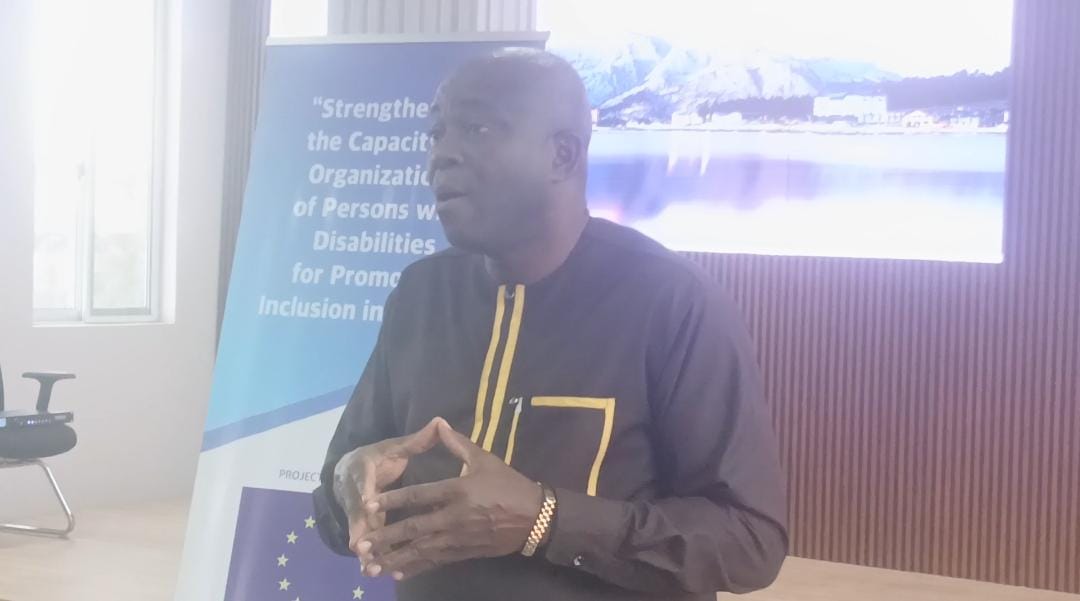
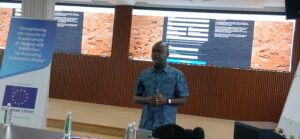
The Executive Secretary of the Mental Health Society of Ghana (MEHSOG), Humphrey Matey Kofie, has called on government agencies and district assemblies to increase transparency by publicly disclosing the beneficiaries of pro-poor disability interventions.
Speaking at a capacity-building workshop in Nkawie, Mr Kofie warned that the failure of local authorities to account for allocated funds and publish verified beneficiary lists fosters widespread suspicion that public resources meant for persons with disabilities are being diverted to unqualified individuals.
”The district assemblies and the other agencies that have the mandate to deliver on pro-poor disability policies need to be more accountable and transparent to their beneficiaries,” Mr Kofie said.
”They need to at least be publishing periodically those persons who have benefited under their care so that at any material time everybody is sure that all the beneficiaries… are people who qualify,” he added.
Social Accountability Tools
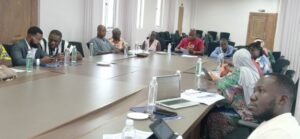
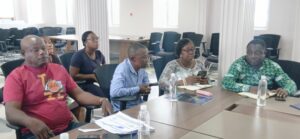
Organised by MEHSOG in partnership with the Ghana Federation of Disability Organisations (GFD) and Africa Disability Institute (ADI), the workshop was supported by the European Union.
The initiative brought together representatives from eight regions across the country to train them in using social accountability tools, such as Community Score Cards, Citizen Report Cards, and Public Expenditure Tracking.
Mr Kofie revealed that even though disability representatives serve on District Fund Management Committees tasked with oversight, the disabled bemoan that unverified names regularly appear on disbursement rosters without explanation.
To fix this, he urged district assemblies to reconcile all payouts against the official local “disability album”, a registered database of persons with disabilities, and regularly publish statements showing available balances and quarter-by-quarter disbursements.

Key pro-poor initiatives targeted for community monitoring include the Disability Portion of the District Assemblies Common Fund (DACF), the Livelihood Empowerment Against Poverty (LEAP) programme, free National Health Insurance Scheme (NHIS) registration for indigents, inclusive education, and compliance with physical accessibility standards.
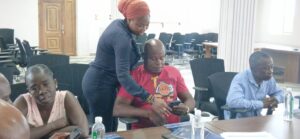
Equipped with these practical tools, workshop participants will return to their respective districts to independently monitor local social welfare offices, health insurance units, and district assemblies to demand fair and open governance.
Local Authority Response
Addressing the transparency concerns raised at the workshop, Esther Apraku Nyarko, the Metro Director for Social Welfare and Community Development at the Kumasi Metropolitan Assembly (KMA), pledged that her office would adopt full disclosure and step up grassroots engagement.
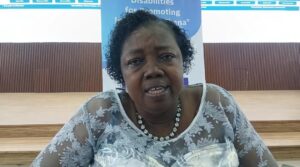
”What I’ve learned today from the workshop is that there are different tools, different approaches, and different strategies that we can use to monitor, track, and give an account of the Common Fund for Persons with Disabilities,” Mrs Nyarko said.
”If the public, disability unions, research institutions, or students ask for available information, we should be honest, truthful, and transparent to them,” she stated, acknowledging that public suspicion often stems from a lack of direct community outreach rather than administrative malfeasance.
Mrs Nyarko explained that social workers frequently provide tailored support, such as funding business expansions for caregivers rather than small token stipends, but these decisions are rarely communicated effectively to disability unions.
She further noted that applicants often misinterpret administrative delays because they are unaware of the rigorous statutory evaluation process, which involves home visits, needs assessments, and committee approvals before funds are disbursed.
”From this workshop, I think we will open up and do better with the sub-metros, the groups, and the unions so they will also understand,” Mrs Nyarko added, promising to incorporate community feedback into assembly processes.
Disabled participants praised the training workshop, noting that it equips them to hold government agencies accountable and ensure transparency in the distribution of state-allocated funds.
Have a news tip or a correction regarding this story? Reach out to our editorial desk at newshubgh2026@gmail.com or contact us on 0245975627.