
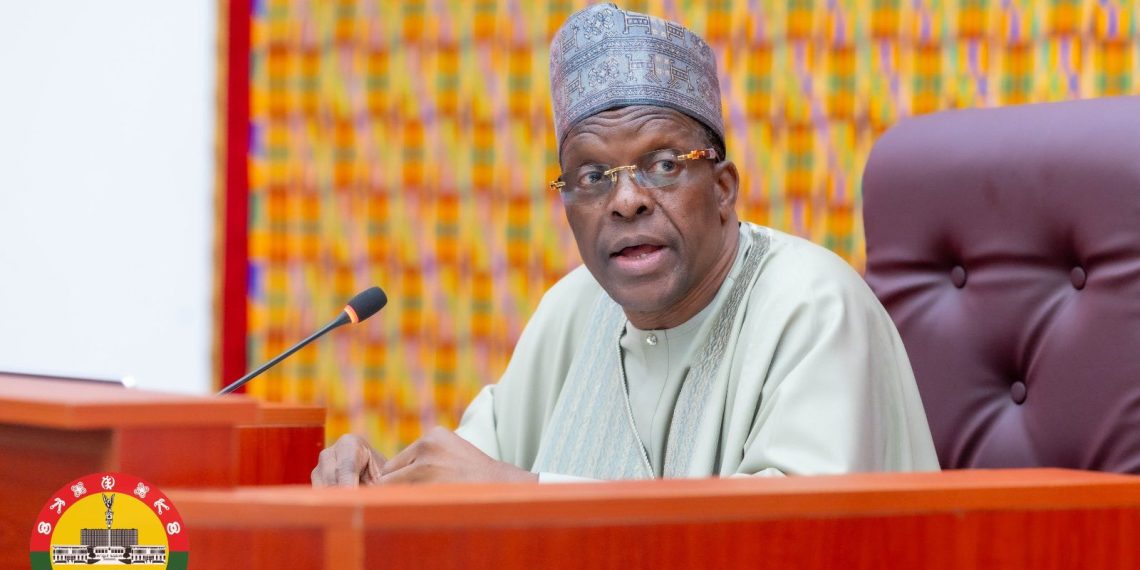
The Speaker of Parliament, Alban Bagbin, has directed the committee handling the Human Sexual Rights and Family Values Bill, 2025, to urgently present its report to ensure the legislation is passed before the end of the current parliamentary meeting.
Addressing the House upon its resumption on Thursday, 21st May 2026, Mr Bagbin emphasised that the bill remains a matter of significant public interest and that advancing the legislative process is a matter of priority.
“In view of the significance of the bill and the need to advance the legislative process, I urge the committee to present its report for consideration and passage by the House before the end of this meeting. Very important,” Bagbin stated.
Public Concerns and Completed Consultations
Acknowledging growing public frustration over delays, the Speaker noted that Parliament is fully aware of the high expectations from the Ghanaian citizenry and various stakeholders.
According to Mr Bagbin, the committee responsible for the bill has already concluded its stakeholder consultations and public hearings, clearing the path for the next stage of the legislative process.
“We appreciate the keen public interest in this important legislation, and acknowledge the expectations of the citizenry on the matter,” he added.
Background and Legislative Friction
The Human Sexual Rights and Family Values Bill — popularly referred to as the anti-LGBTQ+ bill — remains one of the most polarising pieces of legislation in Ghana’s recent history.
While it enjoys staunch support from local religious groups and traditional authorities, it has faced severe backlash from international organisations and human rights advocates.
The Speaker’s directive reinforces the current Parliament’s determination to push the legislation through.
A previous version of the bill failed to become law after former President Nana Addo Dankwa Akufo-Addo refused to assent to it before the dissolution of the last Parliament.
Mr Bagbin reiterated that the House remains committed to seeing the bill enacted, maintaining that it reflects the cultural values and expectations of the Ghanaian people.