
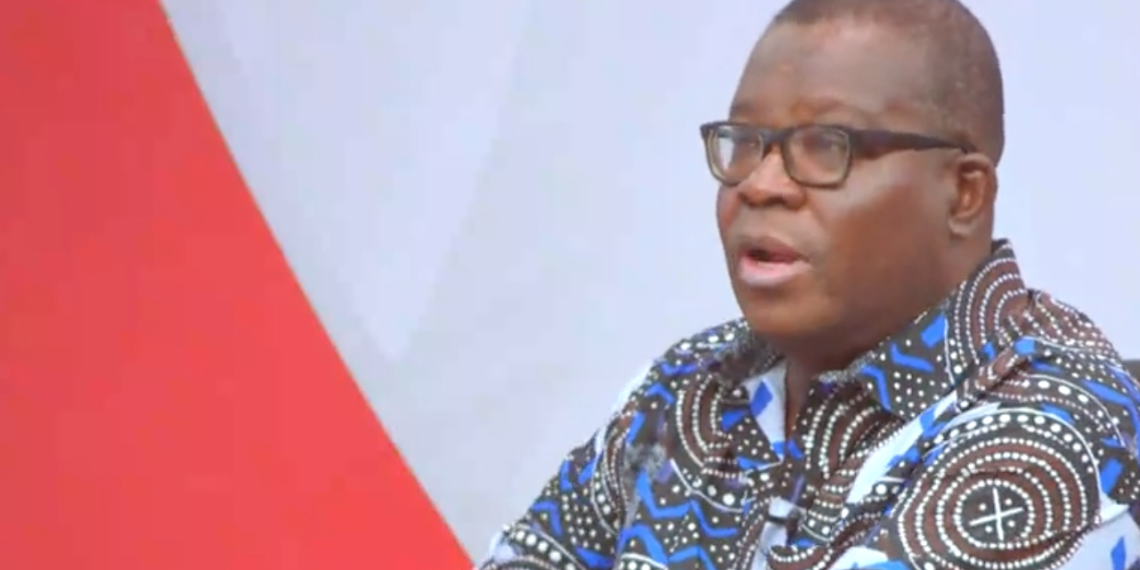
Angel Carbonu, the former President of the National Graduate Association of Teachers (NAGRAT), has alleged that he repeatedly resisted efforts to introduce LGBTQ+-related provisions into national educational documents, despite being offered substantial financial inducements.
In a video statement shared on Facebook on Sunday, May 31, 2026, Mr Carbonu questioned the intense international backing for LGBTQ+ advocacy, suggesting that broader, hidden interests are driving the global movement.
Vehemently Rejected
Reflecting on his tenure as the head of one of Ghana’s largest teacher unions, Carbonu claimed that special interest groups attempted to quietly slip specific language into educational policies.
“I have been enticed several times with huge sums of money to allow some of these sentiments of LGBTQ to pass through certain documents, albeit silently,” Carbonu stated. “I can assure you, and trust me on this, I vehemently rejected it.”
The former union leader expressed bewilderment at the scale of resources dedicated to the cause, questioning the core motivations of international actors.
“The verve, the emotion, the willingness, and readiness to let out huge sums of money, the calibre of people who support these programmes all over the world—my question is: what motivates them?” he asked.
Ambiguous Diplomatic Meetings
Mr Carbonu also recounted instances where he was invited to diplomatic missions in Accra for meetings that allegedly had hidden agendas.
According to him, sessions that began under broad educational themes eventually shifted focus toward Western-backed social initiatives.
“As president of NAGRAT, I was invited to several embassies in Accra to attend meetings. The theme of these meetings was very ambiguous, to say the least,” Carbonu revealed. “It was when you went for the meeting that you realised that the discussions began gradually to zero in on specific issues of LGBTQ.”
Misplaced Priorities in Education
Arguing against the inclusion of these topics in the Ghanaian curriculum, Carbonu maintained that the country’s school system faces far more critical infrastructure and quality challenges that require urgent funding.
“There are weightier matters in the education field than LGBTQ,” he emphasised.
Context of a National Debate
Carbonu’s comments arrive at a time of heightened tension surrounding Ghana’s Human Sexual Rights and Family Values Bill (commonly referred to as the anti-LGBTQ+ bill).
While the controversial legislation has been passed by Parliament, it remains the subject of intense legal and political gridlock as the nation awaits a final decision on its assent.