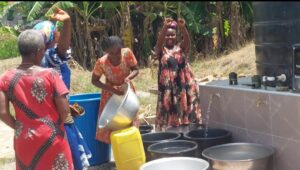

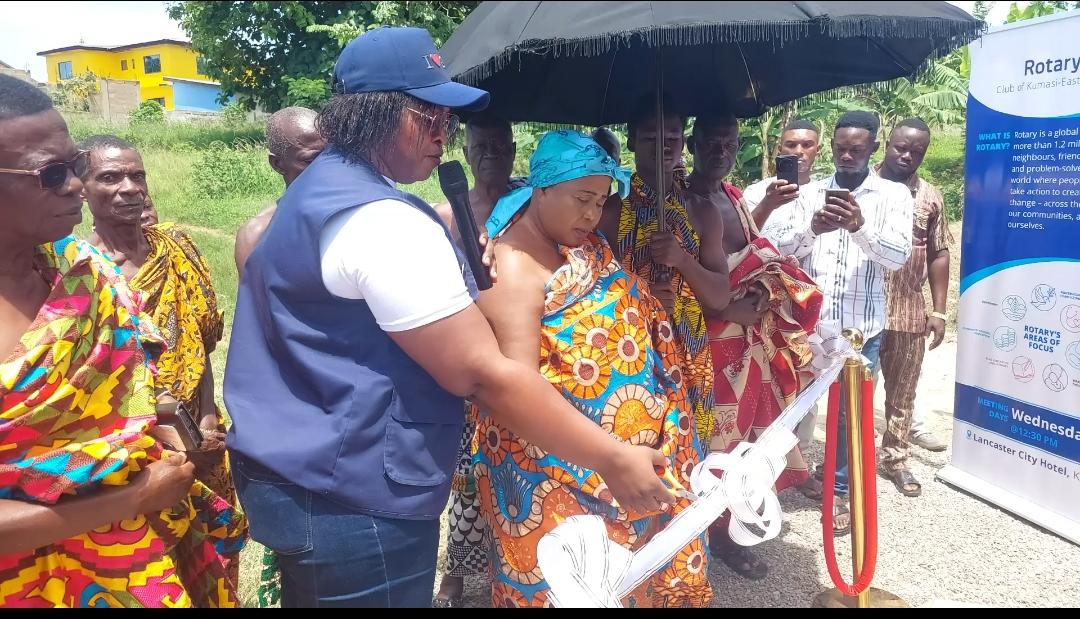
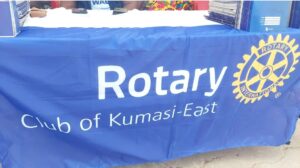
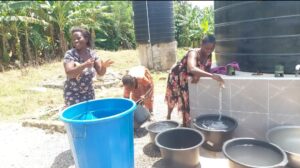
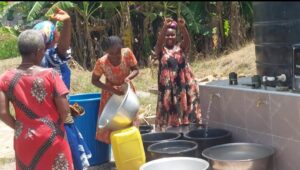
Relief has finally come to the chiefs and people of Ninting, a community in the Mampong Municipality of the Ashanti region, following the inauguration of a modern mechanised borehole water project.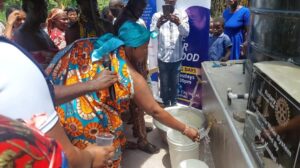 The intervention, funded by the Rotary Club of Kumasi East, effectively ends a devastating, decades-long potable water crisis that heavily crippled local healthcare, education, and economic stability.
 Schoolchildren and women are projected to be the primary beneficiaries of the new infrastructure, which replaces the community’s reliance on contaminated streams and expensive water.
 A Community Crippled by Scarcity
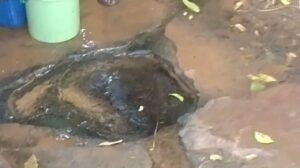
For generations, Ninting depended on local streams and springs for its survival.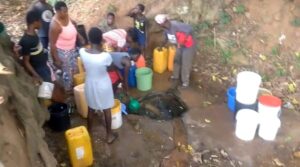 However, a combination of climate change, intensive farming, and a highway drainage system constructed during the Kumasi-Mampong highway project eventually destroyed the town’s primary water source, the Ninting stream.
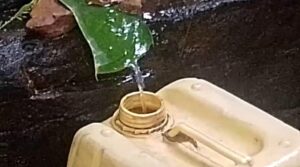 The resulting scarcity forced residents—mostly subsistence farmers and petty traders—to spend their meager earnings buying water from neighboring Mampong.
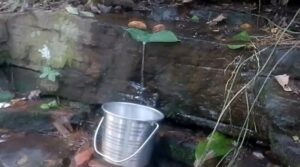 The crisis also took a heavy toll on the community’s development. On the healthcare front, data from the Mampong Hospital and the local clinic consistently linked the water shortage to high rates of waterborne illnesses, specifically cholera and typhoid.
Educationally, the lack of water led to rampant student absenteeism, chronic lateness, and poor academic performance, while many newly posted teachers routinely refused to take up assignments in the town due to the harsh living conditions. A Timely Humanitarian Gesture
Speaking at the commissioning ceremony, the outgoing President of the Rotary Club of Kumasi East, Madam Gina Akosua Acheampong, stated that the project was a purely humanitarian gesture. She revealed that the club’s leadership was moved to act after seeing a media report highlighting Ninting’s plight.
 The completion of the project happily coincides with the 36th anniversary of the Rotary Club of Kumasi East.
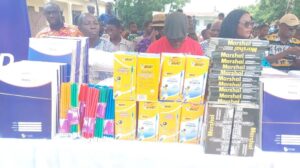
 In tandem with the water system, the club donated thousands of Ghana Cedis worth of essential educational supplies to support local basic schools, including exercise books, mathematical sets, and boxes of pens and pencils.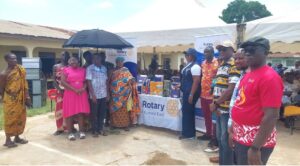
 Calls for Sustainability and Further Aid
The ceremony brought together local leaders who expressed immense gratitude while urging residents to take full ownership of the new facility. Nana Adu Asare, event chairman and Retired Deputy Director of Education, called on residents to commit to strict maintenance and sustainability. This, he noted, would encourage the Rotary Club to extend similar aid to other communities in desperate need.
The Queenmother of Ninting, Nana Anoswa, also extended her profound thanks to the club, noting that the borehole has lifted a massive socio-economic burden off the shoulders of her people—particularly women, who historically bore the brunt of fetching water.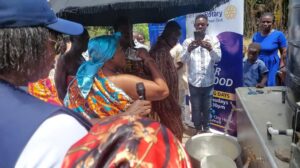 Looking Ahead
While celebrating the milestone, local leadership emphasised that the community’s development journey is far from over.
The Assembly Member for the Ninting Electoral Area, Mr Nicholas Osei-Wusu, thanked the Rotary Club for responding directly to his official appeal, but used the platform to highlight lingering challenges. He made a fresh appeal to the club and other corporate bodies to assist local basic schools with modern toilet facilities to improve overall hygiene and prevent future disease outbreaks.